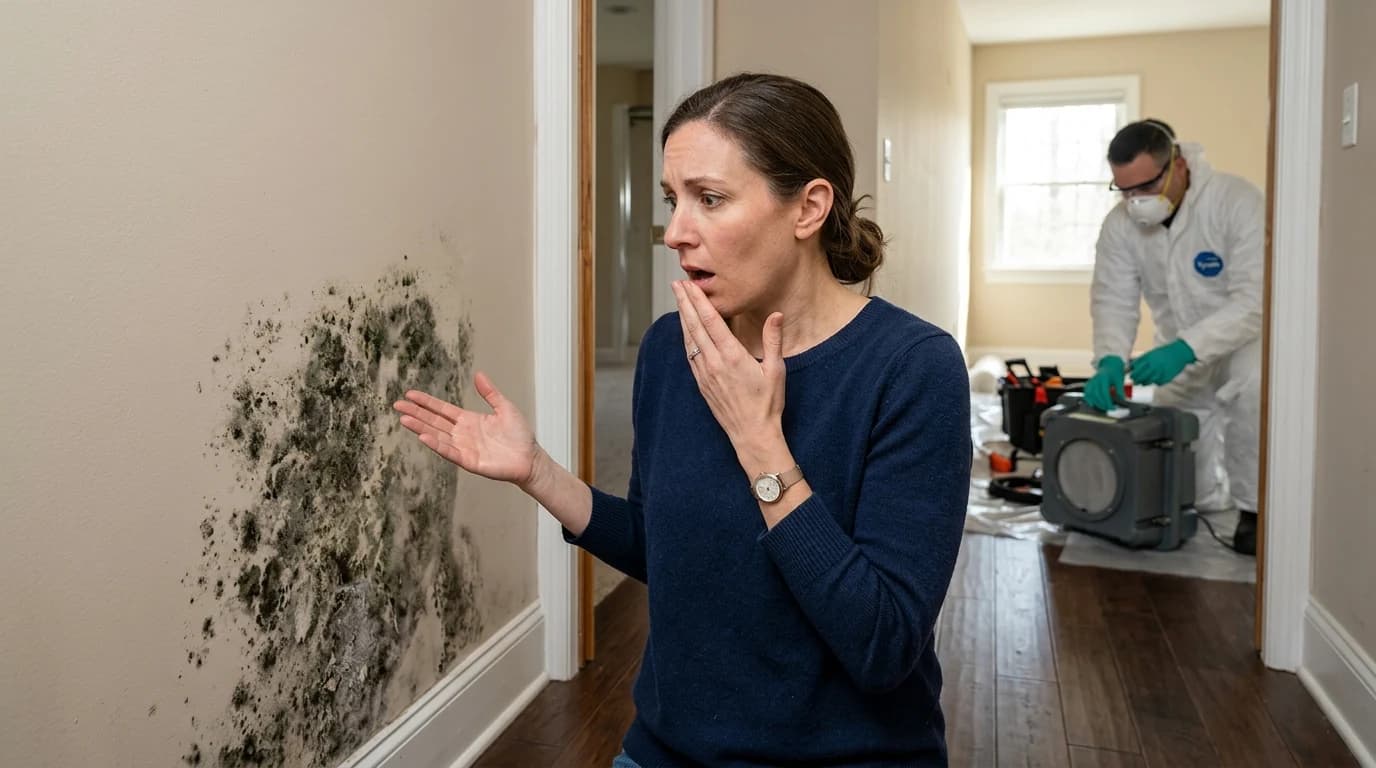
What should be your first step?
Upon discovering mold, your first step should be to assess the size of the problem. For small areas, under 10 square feet, you might be able to manage the cleanup yourself with appropriate protective gear. This includes gloves, goggles, and an N95 respirator mask to protect yourself from inhaling spores. It's also wise to wear old clothing that you can wash in hot water immediately after the cleanup. Take note of any visible mold and any musty odors, as these can indicate hidden growth. However, for larger outbreaks or if you have health concerns, it's advisable to contact a professional immediately. Mold can spread quickly, so time is of the essence. Professionals can conduct a thorough inspection, identifying hidden mold sources and assessing the extent of the infestation.
How to contain the mold spread?
To prevent mold from spreading, seal off the affected area by closing doors and windows. Use plastic sheeting to cover doorways and vents, securing the edges with duct tape to ensure a tight seal. This prevents spores from becoming airborne and spreading to other areas of your home. Turn off any HVAC systems to prevent mold spores from circulating throughout your home. If you have a central air system, close the vents in the affected area to further isolate the problem. These containment measures are crucial to limit the spread until professional help arrives. Additionally, avoid disturbing the mold, as this can release more spores into the air. Instead, focus on keeping the area as undisturbed as possible. Get in touch with our experts for professional containment and removal, ensuring that the problem is handled safely and effectively.
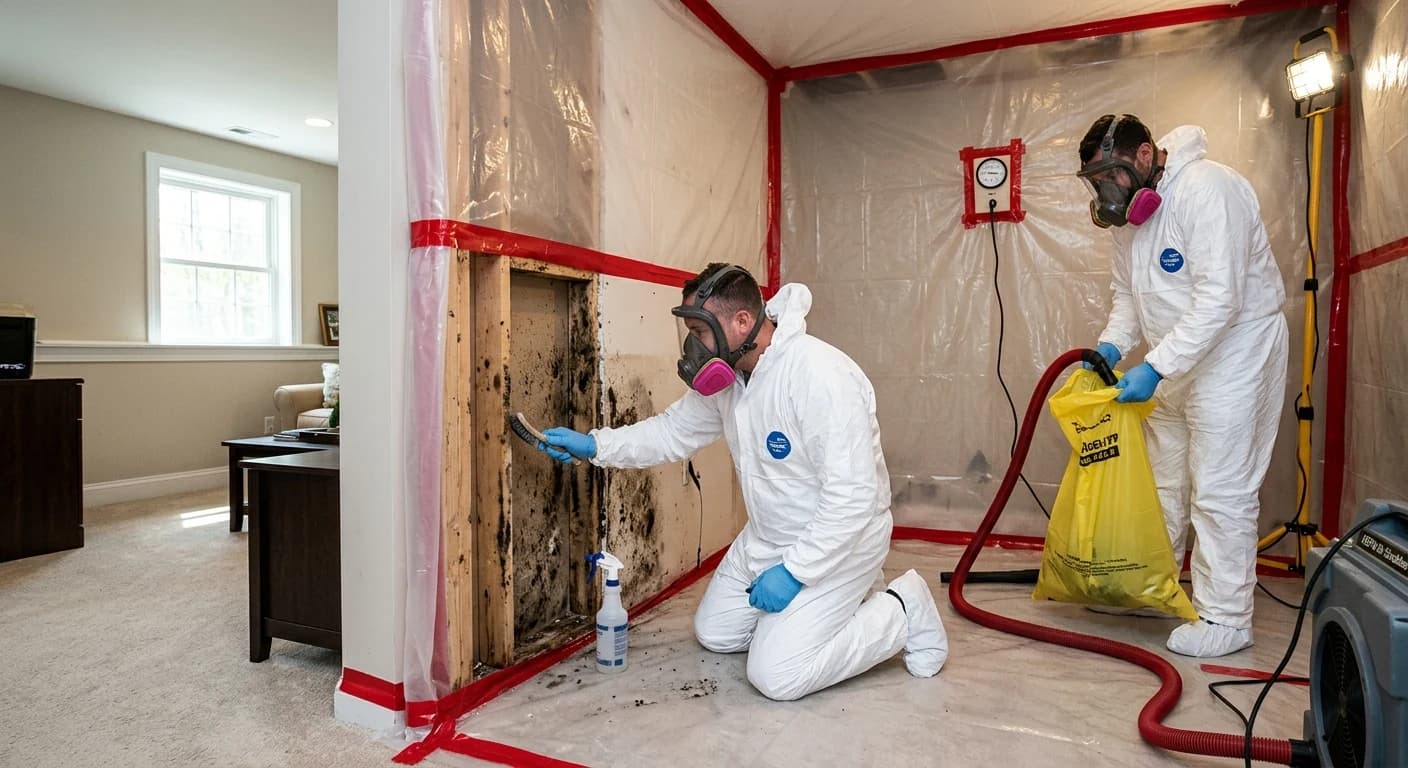
Should you try to remove the mold yourself?
While small mold patches can sometimes be handled with commercial cleaners, it’s vital to understand the risks. Use products that are specifically designed for mold removal, and follow the instructions carefully. Ensure the area is well-ventilated while you work, and avoid mixing different cleaning products, as this can create harmful fumes. Without proper removal, mold can return, often more aggressively. For larger infestations, professional services ensure comprehensive removal and prevent recurrence by addressing underlying moisture issues. Professionals also use specialized equipment, such as HEPA vacuums and air scrubbers, and protective gear to handle mold safely. They can also identify and repair sources of moisture, such as leaks or inadequate ventilation, which are critical to preventing future mold growth. Attempting to remove large mold infestations without professional help can result in incomplete removal and potential harm to your health and property.
Why is moisture control crucial in mold prevention?
Moisture control is the cornerstone of effective mold prevention. Mold thrives in damp environments, so addressing moisture issues is essential to stopping its growth. Start by identifying and repairing any leaks in your home, whether they're from a leaky roof, plumbing issues, or a cracked foundation. Regularly inspect areas prone to moisture, such as basements, bathrooms, and kitchens, to catch potential problems early. Using dehumidifiers can help keep humidity levels in check, ideally below 60%, to deter mold growth. Ensure that your home is well-ventilated, especially in areas like the bathroom and kitchen, where steam and humidity can accumulate. Exhaust fans should be used during and after activities that generate moisture, and windows should be opened when possible to allow fresh air circulation. In Upper Saddle River and similar climates, where humidity can fluctuate, it's particularly important to stay vigilant about moisture control. By proactively managing moisture, you can significantly reduce the risk of mold returning after removal.
When to call in professional mold remediation services?
Calling in professional mold remediation services is crucial when dealing with large infestations or when mold is found in hard-to-reach places. Professionals have the expertise and tools necessary to effectively remove mold and prevent it from returning. If you notice mold covering an area larger than 10 square feet, or if it recurs after cleaning, it’s time to seek professional help. Additionally, if you or anyone in your household is experiencing health issues such as persistent coughing, sneezing, or allergic reactions, professional intervention is advised. Mold can sometimes hide behind walls or under floors, making it difficult to detect and remove without specialized equipment. Professionals use advanced techniques, such as infrared cameras, to locate hidden mold and assess the extent of the infestation. They also employ industrial-grade cleaning agents and equipment to ensure thorough removal. By hiring experts, you ensure that all mold sources are addressed and that preventive measures are put in place to avoid future outbreaks, safeguarding your home and health.
How to Safely Clean Small Mold Patches
If you've determined that the mold problem in your home is small and manageable, it's important to follow a safe and effective cleaning process. Start by gathering the necessary protective gear, including gloves, goggles, and an N95 respirator mask, to prevent exposure to mold spores. Use a commercial mold cleaner or a mixture of water and detergent for non-porous surfaces like tiles and glass. For porous materials, such as drywall or wood, you may need a specialized cleaner or consider replacement if the mold has penetrated deeply. Begin by scrubbing the affected area with a brush or sponge, applying the cleaner generously. Ensure the area is well-ventilated by opening windows and using fans to disperse any fumes. After cleaning, dry the area thoroughly to prevent moisture from encouraging mold regrowth. Dispose of any cleaning materials and protective gear in sealed bags to prevent spores from spreading. Regularly monitor the cleaned area for any signs of mold returning, and address any underlying moisture issues to ensure a long-term solution.
The Importance of Regular Home Inspections
Regular home inspections play a critical role in preventing mold and maintaining a healthy living environment. Schedule inspections at least once a year, focusing on areas prone to dampness and leaks, such as basements, attics, and bathrooms. During these inspections, check for signs of water damage, such as discoloration, peeling paint, or a musty smell, which can indicate hidden mold growth. Pay special attention to areas around windows, pipes, and roofs where leaks can occur. In Upper Saddle River, where seasonal changes can affect humidity levels, it's particularly important to inspect HVAC systems and ensure they are functioning correctly. Clean and replace filters regularly to prevent moisture buildup and mold growth. Additionally, inspect your home's exterior for any signs of damage or blockage in gutters and downspouts, which can lead to water intrusion. By identifying and addressing potential issues early, you can prevent mold from becoming a significant problem and ensure your home remains safe and healthy for your family.
How to Choose the Right Mold Remediation Professional
Selecting the right mold remediation professional is crucial for ensuring that mold is effectively removed and does not return. Start by researching local companies with a strong reputation and positive reviews. Check for certifications such as the IICRC (Institute of Inspection, Cleaning and Restoration Certification) or NADCA (National Air Duct Cleaners Association), which indicate that the company adheres to industry standards. It's also important to verify that the company is licensed and insured, providing you with peace of mind in case of any accidental damage during the remediation process. When contacting potential professionals, ask about their experience with mold issues similar to yours, and request references from past clients. A reliable professional should be willing to conduct a thorough inspection before providing a detailed estimate. This estimate should include a breakdown of services, costs, and the timeline for completion. Be wary of companies that offer quotes without an inspection or pressure you into immediate decisions. Additionally, inquire about the methods and equipment they use, ensuring they employ techniques such as HEPA filtration and containment strategies to prevent mold from spreading. By taking these steps, you can select a qualified professional who will address your mold problem effectively, safeguarding your home and health.
Post-Remediation Steps for Ensuring Long-Term Mold Prevention
After mold remediation is complete, it's essential to take proactive steps to prevent mold from returning. Begin by addressing any underlying moisture issues that may have contributed to the mold growth. This could involve repairing leaks, improving ventilation, or installing dehumidifiers to maintain optimal humidity levels. Regularly monitor areas that were previously affected by mold, checking for signs of moisture or new mold growth. Implement a routine cleaning schedule, using mold-inhibiting products in susceptible areas like bathrooms and basements. It's also beneficial to educate your household members about the importance of moisture control and quick response to spills or leaks. Conduct regular inspections of your home's exterior, ensuring gutters and downspouts are clear of debris and directing water away from the foundation. In regions like NJ, where seasonal humidity can fluctuate, consider investing in a hygrometer to monitor indoor humidity levels. If you notice any signs of mold returning, address them promptly to prevent a larger outbreak. By maintaining vigilance and implementing these preventive measures, you can significantly reduce the risk of mold reappearing, ensuring a healthier living environment for you and your family.