What are the health risks of untreated mold?
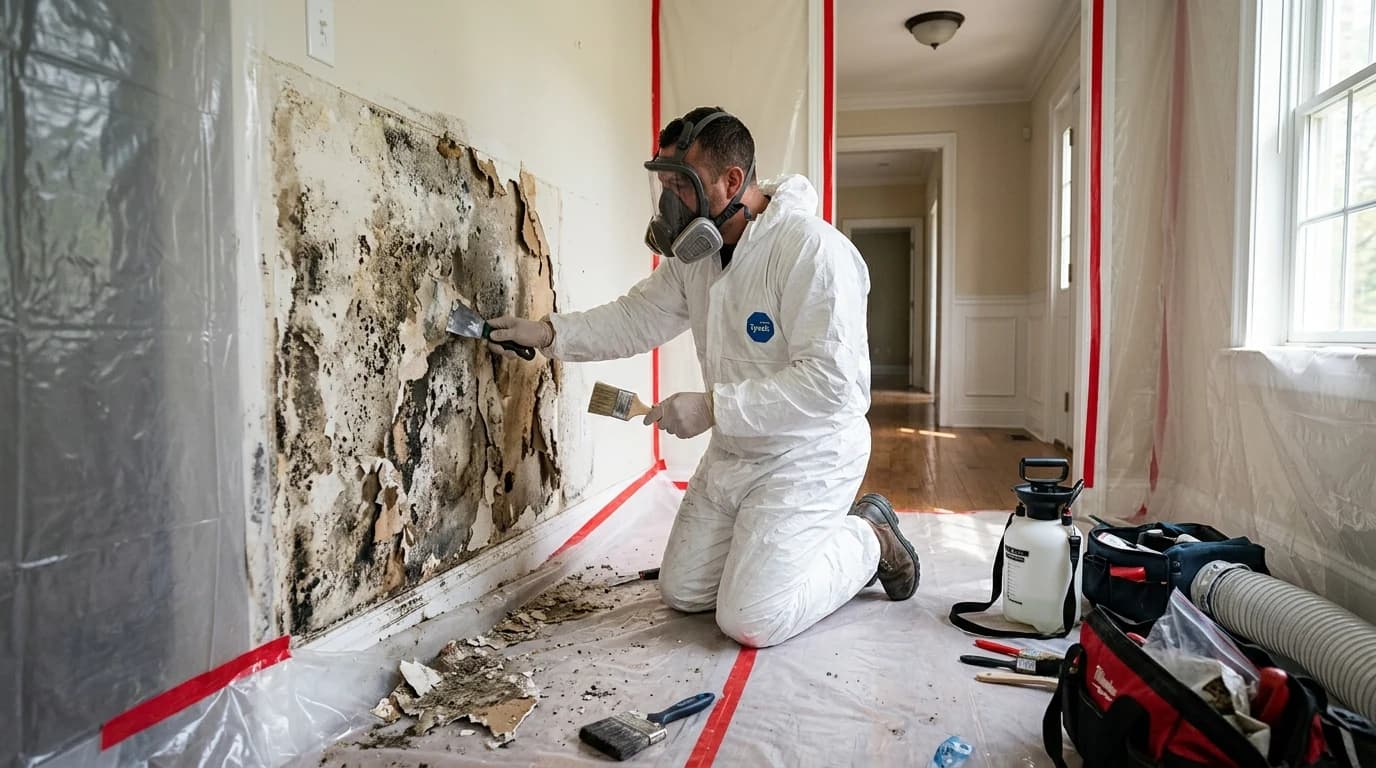
Mold can cause a range of health issues, particularly affecting the respiratory system. Common symptoms include coughing, sneezing, and eye irritation. For individuals with allergies or asthma, exposure can worsen these conditions significantly. In severe cases, mold exposure can lead to more serious respiratory infections. Long-term exposure might even result in chronic conditions such as obstructive lung disease. Children, the elderly, and those with compromised immune systems are particularly vulnerable, making it crucial to address mold issues promptly to protect your health and that of your family. Moreover, certain types of mold, such as black mold, can produce mycotoxins that may lead to neurological symptoms and more severe health effects. Regular monitoring and maintaining low indoor humidity levels can help prevent mold growth and its associated health risks.
How does mold affect your home's structure?
Mold feeds on organic materials like wood and drywall, weakening the structural integrity of your home over time. This can result in costly repairs as mold spreads and damages walls, ceilings, and floors. Particularly in older homes, the presence of mold can exacerbate existing structural vulnerabilities, leading to more severe deterioration. In Upper Saddle River, where humidity can be high, it's vital to address even small mold patches before they escalate into bigger problems, affecting the value and safety of your home. Mold can also compromise insulation, reducing energy efficiency, and potentially leading to higher utility bills. Furthermore, as mold damages structural components, it can lead to sagging floors and ceilings, cracked walls, and even foundation issues if left unchecked. Regular inspections and maintaining good ventilation can help mitigate these risks. Learn more about our services.
What are the financial implications of ignoring mold?
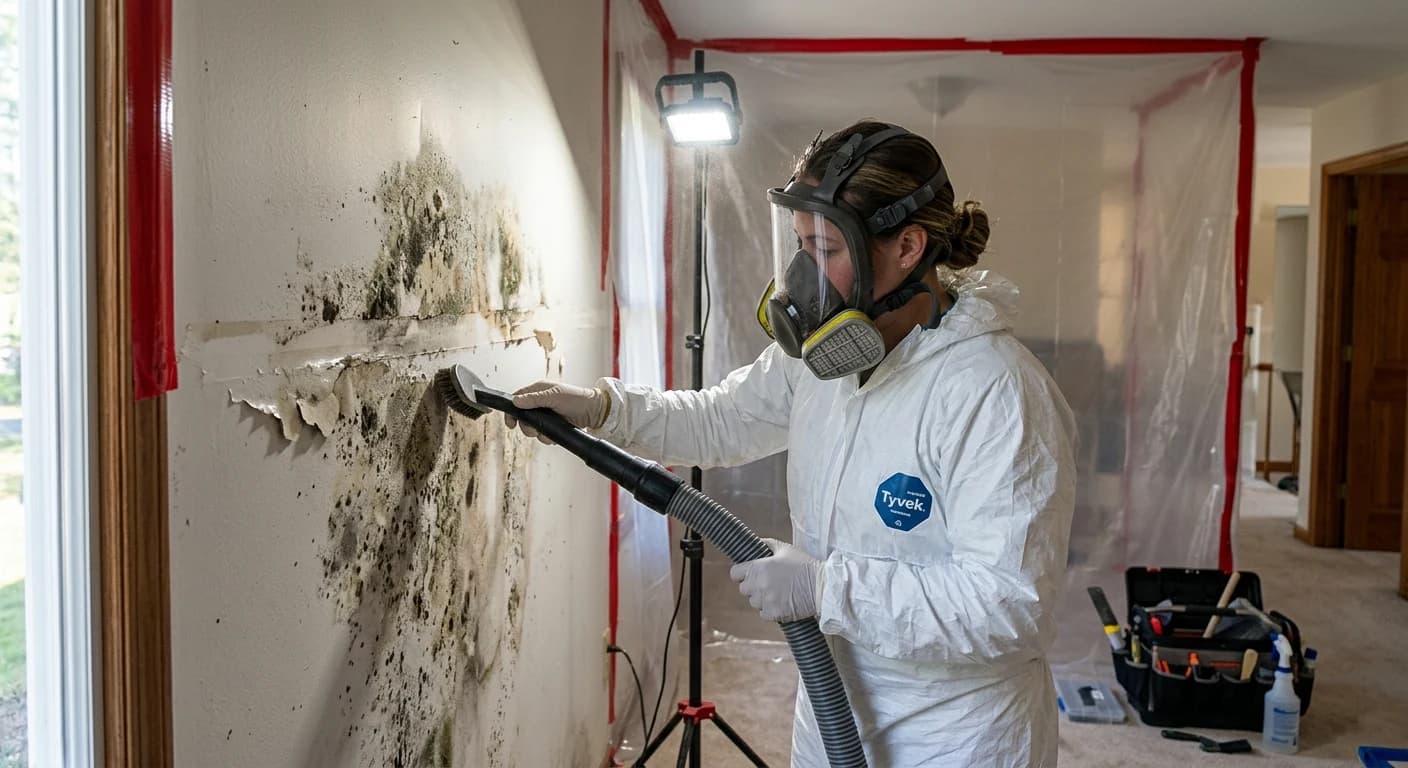
Ignoring mold can lead to extensive and costly repairs. The longer mold is left untreated, the more damage it can cause, resulting in higher remediation costs. Mold remediation can range from a few hundred to several thousand dollars, depending on the extent of the infestation. Additionally, if mold is discovered during a home sale, it can significantly reduce the property’s value, making it harder to sell at your desired price. Potential buyers may be wary of purchasing a home with a history of mold issues, leading to prolonged time on the market and possibly forcing a price reduction. Addressing mold early can prevent these financial burdens. Furthermore, some insurance policies may not cover mold damage, leaving homeowners to bear the full cost of repairs. Investing in regular home inspections and immediate remediation can save homeowners significant amounts in the long run, ensuring the property remains safe and marketable.
What are effective strategies for mold prevention?
Preventing mold growth is crucial to maintaining a healthy living environment and avoiding costly repairs. One of the most effective strategies is controlling humidity levels within your home. Using dehumidifiers in damp areas such as basements and bathrooms can significantly reduce the risk of mold. Additionally, ensuring proper ventilation by using exhaust fans in kitchens and bathrooms helps to remove excess moisture. Regularly checking and repairing leaks in roofs, windows, and plumbing is also essential, as even small leaks can provide the perfect breeding ground for mold. In areas prone to dampness, such as crawl spaces, consider using vapor barriers to prevent moisture from seeping through. Furthermore, cleaning and drying any water-damaged areas within 24 to 48 hours is critical to prevent mold from taking hold. Mold-resistant products, such as mold-resistant drywall or paint, can also be beneficial in high-moisture areas. By implementing these preventive measures, homeowners can significantly reduce the likelihood of mold growth and maintain a safe, healthy home environment.
When should you consult a professional for mold issues?
While minor mold problems can often be managed with DIY solutions, there are certain situations where consulting a professional is advisable. If the mold covers an area larger than 10 square feet, it's generally recommended to seek expert help. Professionals have the necessary equipment and expertise to safely and effectively remove extensive mold infestations. Additionally, if mold is found in your HVAC system, professional intervention is crucial to ensure thorough cleaning and to prevent spores from spreading throughout your home. If you or your family experience persistent health issues that could be linked to mold exposure, consulting a professional can help identify and address hidden mold sources. In Upper Saddle River and other areas with high humidity, professionals can offer tailored solutions to prevent mold from returning. Furthermore, if you're planning to sell your home, a professional mold inspection and remediation can provide peace of mind to potential buyers and help maintain your property's value. By knowing when to call in the experts, you can protect both your health and your investment.
How does untreated mold impact indoor air quality?
Untreated mold can significantly degrade the air quality in your home, leading to a host of health and comfort issues. Mold releases spores into the air, which can be inhaled and cause respiratory problems, particularly in individuals with allergies or asthma. These spores can also carry allergens and irritants that exacerbate symptoms such as sneezing, coughing, and throat irritation. Moreover, certain types of mold produce volatile organic compounds (VOCs) that contribute to a musty odor and can cause headaches, dizziness, or fatigue. This is especially concerning in enclosed spaces where ventilation is limited, such as basements or attics. To improve air quality, it's essential to address mold issues promptly and ensure adequate ventilation throughout your home. Using air purifiers with HEPA filters can help capture mold spores and improve air quality. Regular cleaning and maintenance, including changing HVAC filters and keeping humidity levels below 60%, are also crucial steps in maintaining a healthy indoor environment. By taking proactive measures, you can prevent mold from compromising the air you breathe and ensure a safer home for you and your family.
What are the legal responsibilities of landlords regarding mold?
Landlords have a legal obligation to provide tenants with a habitable living environment, which includes addressing mold issues. In many jurisdictions, mold is considered a health hazard, and landlords must take prompt action to remediate mold problems once they are reported. Failure to address mold can lead to legal consequences, including potential lawsuits from tenants who experience health issues due to mold exposure. Landlords should conduct regular inspections and respond quickly to tenant complaints about mold or water damage. It is also advisable for landlords to educate tenants on how to prevent mold, such as by maintaining proper ventilation and promptly reporting leaks or dampness. In New Jersey, for example, landlords may be required to disclose known mold issues to prospective tenants. To protect themselves legally, landlords should document all maintenance and repair efforts related to mold and water intrusion. By fulfilling these responsibilities, landlords can ensure compliance with local laws, protect their properties from damage, and maintain a positive relationship with tenants. This proactive approach not only safeguards tenant health but also preserves the property's value and minimizes potential legal risks.
Why is timely mold remediation crucial for commercial properties?
Timely mold remediation is essential for commercial properties to ensure the health and safety of employees and customers. Mold can spread quickly in commercial spaces, especially those with high foot traffic and shared facilities like restrooms and kitchens. If left untreated, mold can lead to a host of health issues, including respiratory problems and allergic reactions, which can affect employee productivity and customer satisfaction. Moreover, visible mold can tarnish a business's reputation, potentially leading to a loss of clientele. In commercial settings, mold can also damage critical infrastructure such as HVAC systems, leading to costly repairs and downtime. For businesses in areas like Upper Saddle River, NJ, where humidity levels can contribute to mold growth, regular inspections and prompt remediation are vital. Implementing a comprehensive mold management plan, including regular air quality testing and moisture control strategies, can help prevent mold issues from arising. Additionally, having a professional remediation service on standby ensures that any mold problems are addressed swiftly, minimizing disruption to business operations. By prioritizing mold remediation, businesses can maintain a safe environment, protect their assets, and uphold their reputation.
How can homeowners identify hidden mold in their properties?
Identifying hidden mold in a property is crucial for preventing long-term damage and health issues. Mold often grows in hidden areas such as behind walls, under flooring, or within HVAC systems, making it challenging to detect without a thorough inspection. Homeowners should be vigilant for signs of mold, including musty odors, persistent allergy symptoms, and visible water stains or discoloration on walls and ceilings. Regularly inspecting areas prone to moisture, such as basements, attics, and crawl spaces, is essential. Homeowners can use moisture meters to detect dampness in walls and floors, which can indicate potential mold growth. Additionally, checking for leaks in plumbing, roofs, and windows can prevent moisture accumulation and subsequent mold development. If hidden mold is suspected, professional mold testing can confirm its presence and extent. In some cases, cutting small inspection holes in walls or removing sections of wallpaper can reveal hidden mold colonies. Addressing these issues promptly with professional remediation services ensures that mold is effectively removed and prevents further spread. By staying proactive, homeowners can protect their properties and maintain a healthy living environment.